Stylized Laminaria Seaweed Embroidery Design
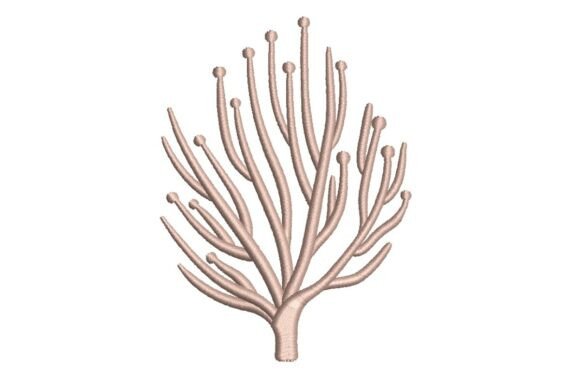
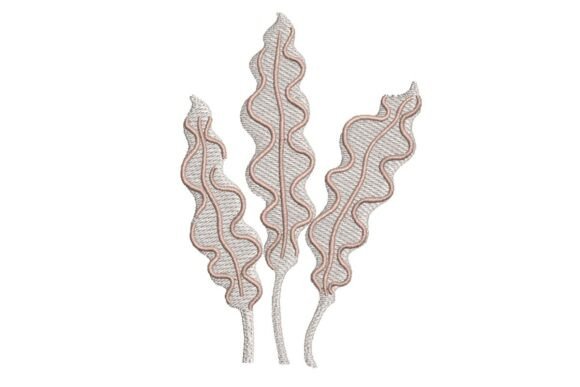
In the world of small business branding, every visual touchpoint matters. As an experienced embroidery designer who has reviewed thousands of digital files for commercial use, I look beyond aesthetics to evaluate functionality, durability, and brand alignment. Today, I am reviewing the Stylized Laminaria Seaweed Embroidery Design. This piece features a trio of elegant fronds, often known as Kelp or Oarweed, rendered in light grey or off-white thread. While categorized under "Single Flowers," its organic, flowing lines offer a unique alternative to traditional botanical motifs, making it a compelling choice for businesses seeking a modern yet natural aesthetic.
First Impressions: A Blend of Elegance and Modernity
The immediate impression of this design is one of refined simplicity. The stylized nature of the Laminaria fronds suggests a premium feel, avoiding the cluttered look of overly detailed realistic embroidery. For small business owners, this translates to a logo or accent that reads clearly even from a distance. The wavy, textured appearance of the blades adds depth without requiring excessive stitch density, which is crucial for maintaining the integrity of the fabric over time.
This design strikes a balance between rustic charm and contemporary minimalism. It feels handmade yet polished, making it suitable for a wide range of industries. Whether you are running a coastal café, a sustainable fashion boutique, or a wellness studio, the organic motif resonates with themes of nature, growth, and fluidity. The light color palette offers versatility, allowing it to stand out on dark backgrounds while remaining subtle on lighter fabrics.
Real-World Business Applications
When evaluating a machine embroidery design for commercial merchandise, we must consider where it will live on the final product. The Stylized Laminaria Seaweed Embroidery Design excels in several key areas:
- Embroidered Patches: The cohesive trio structure makes this ideal for iron-on or sew-on patches. These can be used to personalize denim jackets, backpacks, or tote bags, adding a unique flair to small business merch.
- Staff Uniforms: For cafes, bakeries, or florists, this design works beautifully as a chest logo accent. It conveys professionalism and attention to detail without being overpowering. On work shirts or aprons, it adds a touch of personality to standard uniforms.
- Caps and Headwear: The vertical flow of the seaweed fronds aligns well with the curved surface of cap fronts. It serves as a distinctive mark for brands wanting to stand out in crowded markets.
- Tote Bag Designs: A large-scale application on canvas totes allows the texture of the design to shine. This is perfect for retail shops looking to create reusable shopping bags that double as walking advertisements.
- Product Packaging Accents: Use this as a decorative element on garment tags, hang tags, or gift boxes. It elevates the unboxing experience, signaling quality to the customer before they even try the product.
This embroidery file is not just a decoration; it is a strategic asset. When applied correctly, it enhances brand identity by associating your products with natural beauty and craftsmanship. Customers often perceive embroidered details as higher value than printed graphics, boosting perceived product value and encouraging repeat purchases.
Strategic Placement and Limitations
While versatile, no single design fits every scenario. As a designer, I advise caution in specific applications to ensure the best results:
- Small Patch Sizes: If scaling this design down too small, the delicate curves may merge into indistinct blobs. Ensure the minimum size retains enough negative space for the individual fronds to be recognizable.
- Curved Surfaces: When embroidering on caps or sleeves, the curvature can distort the symmetry of the trio. Test placement carefully to avoid stretching the fabric unevenly.
- High Stitch Density Areas: Although the design appears lightweight, check the stitch density settings. Too much density on lightweight fabrics like silk or thin cotton can cause puckering. Always use appropriate stabilizers to support the fabric during stitching.
- Detailed Outlines: Avoid using extremely fine outlines if you plan to wash the items frequently. Thicker satin stitches or dense fill stitches generally hold up better to industrial laundering than thin, sparse outlines.
- Dark Uniforms: Since the primary colors are light grey or off-white, contrast is key. On black or navy uniforms, this design will pop brilliantly. On white or pastel garments, consider changing the thread color to a darker shade to maintain visibility.
Impact on Brand Identity and Customer Trust
Consistency is the cornerstone of strong branding. Using a high-quality digital embroidery file like the Stylized Laminaria Seaweed Design helps establish visual consistency across all touchpoints. When customers see the same elegant motif on their coffee cup sleeve, their tote bag, and their staff’s apron, it reinforces brand recognition.
Furthermore, embroidery implies permanence and care. Unlike cheap decals, embroidered logos suggest that the business invests in quality. This perception builds customer trust and engagement. For handmade brands and Etsy sellers, this design can differentiate your shop from competitors relying solely on screen printing. It adds a tactile element that online shoppers cannot feel but offline customers appreciate, enhancing the overall buying experience.
Practical Designer Notes for Production
Before committing to bulk production, follow these essential steps to ensure success:
- Test in Black and White: Convert the design to monochrome to check its silhouette. If it loses impact without color, the shape itself needs refinement.
- Check Thread Color Contrast: Experiment with different thread shades. Off-white might look vintage and rustic, while bright white offers a crisp, modern look. Choose based on your brand’s color palette.
- Inspect Spacing and Hoop Size: Confirm the hoop size requirements. Ensure the design fits comfortably within your machine’s capabilities without unnecessary trimming.
- Test on Real Fabric: Always run a sample on the actual fabric you intend to use. Fabric texture significantly affects how the stitches lay. Stiff canvas behaves differently than soft jersey.
- Create a Printable Mockup: Before sewing, generate a printable mockup for client approval. This allows stakeholders to visualize the design on the final product without wasting materials.
- Confirm Commercial Licensing: Verify that you have the right to use this design assets for commercial purposes. Unauthorized use can lead to legal issues and financial penalties.
- Use Proper Stabilizer: Select the correct stabilizer (cut-away for stretchy fabrics, tear-away for wovens) to prevent distortion and ensure longevity.
In conclusion, the Stylized Laminaria Seaweed Embroidery Design is a sophisticated addition to any commercial embroidery library. Its blend of organic form and modern style makes it adaptable for various custom apparel and accessory projects. By paying attention to placement, fabric choice, and production quality, small business owners can leverage this design to create memorable, high-value branded merchandise that resonates with customers and stands the test of time.