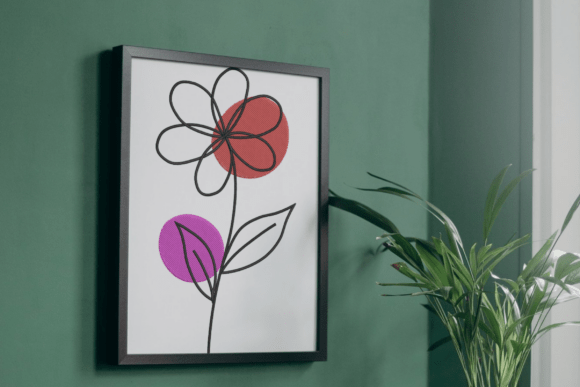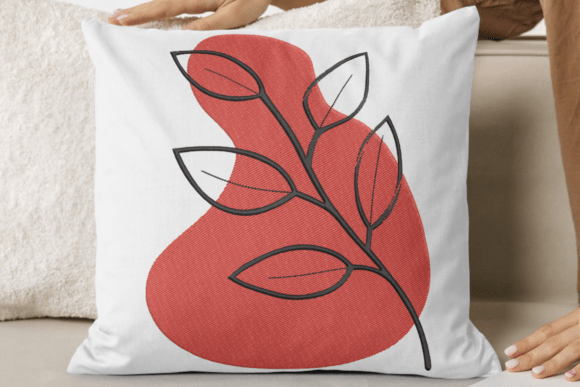
Red Leaf Line Art Embroidery Design Review
As an embroidery designer who has spent years turning digital files into tangible heirlooms, I am always looking for that perfect balance between simplicity and sophistication. When I first encountered the Red Leaf Line Art Embroidery Design, it immediately caught my eye. In a market saturated with complex, heavy floral patterns, there is something quietly powerful about clean lines and negative space. This design offers a timeless floral touch to your creations, making it an ideal candidate for anyone looking to elevate their handmade product line.
I recently tested this machine embroidery design with a specific goal in mind: creating a meaningful gift for a new family member. The prompt was simple—something elegant, versatile, and durable enough to withstand the test of time. Here is my honest review of how the Red Leaf Line Art Embroidery Design performs in real-world applications, particularly for those of you selling on Etsy or running a small craft business.
First Impressions: Elegance Meets Modern Simplicity
The moment you load the embroidery file into your software, the aesthetic appeal is undeniable. The line art style feels modern yet classic, avoiding the cluttered look that can sometimes plague busy floral patterns. It exudes a sense of calm and refinement. For a personalized gift, this emotional resonance is crucial. Buyers are not just purchasing fabric and thread; they are purchasing a feeling. This design delivers a sweet, romantic vibe that works beautifully across various demographics.
The visual softness of the lines suggests a delicate touch, which translates well into high perceived quality. Unlike dense satin stitches that can feel stiff, line art often relies on fill stitches or narrow outlines that lie flat against the fabric. This makes the finished piece feel more luxurious and comfortable, a key factor when creating items like baby blankets or aprons where tactile experience matters.
Versatility in Personalized Products
One of the strongest selling points of the Red Leaf Line Art Embroidery Design is its incredible versatility. Because it belongs to the Single Flowers category but features a distinct line-art approach, it does not compete with other elements on a garment. Instead, it complements them. Here is how I see it fitting into popular product categories:
- Baby Embroidery: This design is perfect for nursery decor. Imagine it centered on a white muslin swaddle or embroidered onto the cuff of a baby blanket. The gentle curves mimic the organic shapes of nature, which is soothing for infants. It adds a touch of warmth without being overwhelming.
- Wedding Gifts: For wedding favors, consider embroidered towels or pillow covers. The line art style pairs exceptionally well with monograms. You could place the flower motif above or below the couple’s initials. It feels celebratory yet understated, suitable for a bridal shower gift or a honeymoon keepsake.
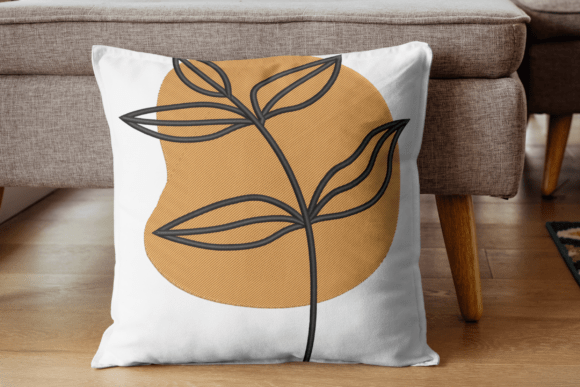
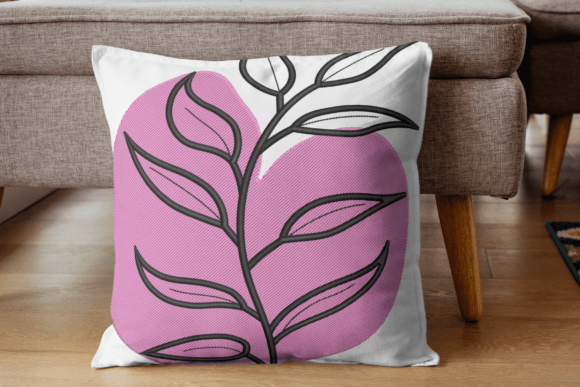
- Home Decor: On a linen tea towel or a kitchen apron, this design brings a rustic-chic charm. It elevates a basic utility item into a decorative piece. Similarly, on a throw pillow cover, it acts as a subtle focal point that enhances the room’s aesthetic without dominating it.
- Accessories: Tote bags and canvas totes benefit greatly from this type of design. The clean lines stand out sharply against cotton or denim, creating a striking contrast that looks professional and polished.
Practical Considerations for Stitching
While the design is visually stunning, any experienced embroiderer knows that execution is everything. When working with line art, especially for commercial purposes, several practical concerns must be addressed to ensure customer satisfaction.
Fabric Texture and Stability: The success of a line art design often depends on the stability of the fabric. If you are stitching onto thick blankets or textured towels, the needle may struggle to penetrate evenly, causing slight distortions in the lines. Always use a proper stabilizer. For stretchy baby clothes, a cut-away stabilizer is essential to prevent puckering over time. For woven fabrics like cotton aprons, a tear-away or wash-away stabilizer might suffice, depending on the density of the surrounding stitches.
Thread Color Contrast: Since the design relies on lines, color choice is critical. Dark fabric requires light thread colors (like cream or silver) to make the details pop. Conversely, on light fabrics, darker threads provide definition. I recommend testing multiple thread colors to see how they interact with your specific fabric base. A mismatch in contrast can make the delicate details disappear entirely.
Dense Details and Small Shapes: While the description highlights the elegance of the pattern, always inspect the digitization for overly dense areas. If the lines are too close together, they may merge during stitching, losing their individual character. Check the stitch density before committing to a full production run. If the design includes very small leaf tips or fine stems, ensure your machine can handle the precision required.
Quality Control Checklist
- Create a test stitch-out on the exact fabric you plan to sell.
- Check small details after stitching to ensure no gaps or overlaps occurred.
- Compare thread colors under natural lighting to verify contrast.
- Confirm hoop size compatibility to avoid awkward placements.
- Review stitch density to prevent fabric distortion.
- Use the recommended stabilizer for your specific fabric type.
- Check product details and licensing on Creative Fabrica before selling finished products.
Impact on Customer Trust and Brand Value
In the world of online selling, your product photography and presentation are just as important as the product itself. A well-executed custom embroidery project using the Red Leaf Line Art Embroidery Design signals professionalism. When customers receive a gift where the stitching is crisp, the lines are true, and the overall finish is neat, their trust in your brand grows.
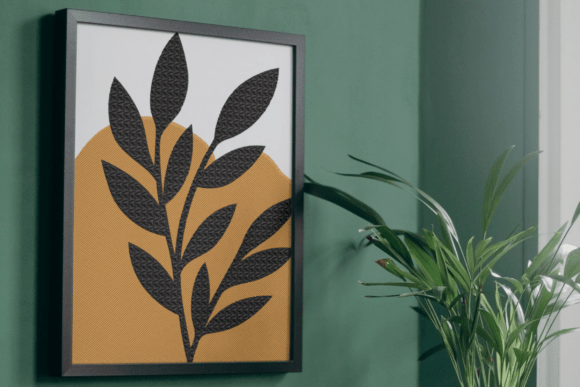
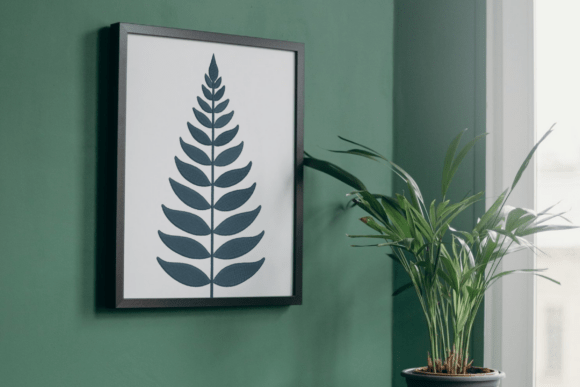
This design lends itself well to high-quality mockups. Because of its clean aesthetic, it photographs beautifully against neutral backgrounds, allowing the intricate details to shine. For an Etsy seller or a small shop product creator, this means easier content creation and higher engagement rates. Customers are drawn to items that look thoughtfully made, and line art designs often convey a sense of intentionality and care.
Furthermore, the emotional value of a handmade item is amplified by its longevity. A design that is not overly trendy will remain relevant for years. By choosing a classic floral motif with a modern twist, you are offering a product that customers will cherish, rather than discard. This leads to repeat business and positive reviews, which are vital for growing a sustainable craft business.
Final Thoughts
The Red Leaf Line Art Embroidery Design is a standout addition to any digital library. Its ability to blend seamlessly into various projects—from baby embroidery to sophisticated home decor—makes it a valuable asset for designers and sellers alike. It respects the viewer’s eye by offering beauty without chaos.
However, remember that a great design is only half the equation. Your skill in preparation, stitching, and finishing determines the final outcome. Take the time to test, refine, and present your work with pride. When done correctly, this design will not only enhance your products but also deepen the connection between you and your customers. Whether you are creating a one-of-a-kind wedding gift or scaling up a line of commercial embroidery goods, this file provides a reliable foundation for success. Be sure to review all technical specifications and licensing terms on Creative Fabrica to ensure you are fully prepared for production.