Nature Harvest Embroidery Designs Review
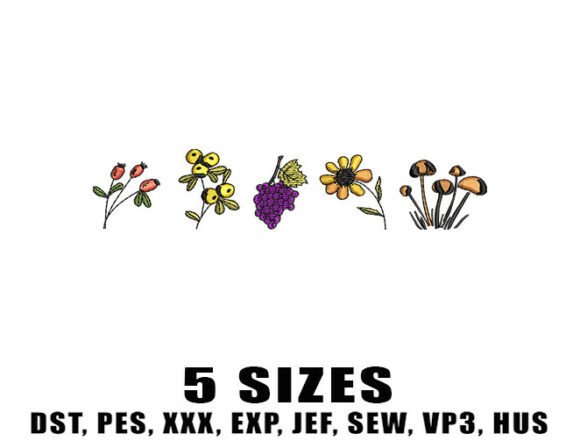
As an embroidery designer who spends weekends hunched over a machine and another weekend manning a craft fair booth, I know that not every digital file translates into a sellable product. You can have the most beautiful design assets in your library, but if it doesn’t catch the eye of a passerby or hold up under the scrutiny of a customer holding it in their hands, it’s just data. That is why I am reviewing Nature Harvest Embroidery Designs, specifically the Wild Herbs Set. This collection features charming botanical elements like rose hips, berries, grapes, and mushrooms. For those of us looking to stock craft fair products that feel rustic, organic, and premium, this set deserves a close look.
First Impressions: The Rustic Aesthetic
When you first load the embroidery file for Nature Harvest Embroidery Designs, the immediate vibe is undeniably farmhouse-chic with a touch of wild foraging. It isn’t minimalist, nor is it overly modern. Instead, it leans heavily into the "cottagecore" trend that has dominated handmade markets for years. The inclusion of mushrooms alongside traditional fruits like grapes and rose hips suggests a narrative—perhaps a walk through the woods after rain. This storytelling element is crucial for handmade product sellers because it gives the buyer a reason to connect emotionally with the item.
The design feels soft yet detailed. It avoids the starkness of high-contrast geometric patterns, opting instead for a natural color palette that likely relies on earthy thread colors. For a booth display, this means the items will blend beautifully with linen backdrops, wooden crates, and dried floral arrangements, creating a cohesive visual identity that screams "artisan quality."
Product Application: Where Does It Shine?
One of the biggest challenges for an Etsy seller or boutique maker is versatility. Can one design work across multiple SKUs? With Nature Harvest Embroidery Designs, the answer is yes. The set comes in three distinct sizes (3.8", 4.8", and 5.8"), which provides excellent flexibility for different applications.
Tote Bags and Market Bags
A tote bag design needs to be bold enough to be seen from a distance but refined enough to look expensive. The larger size of this set works perfectly as a central focal point on a canvas tote. When customers pick up a bag at a market, they want to see texture and depth. The berry and grape clusters offer that density without becoming muddy, provided you use a high-quality cotton canvas. This is a strong candidate for a best-selling item because tote bags are impulse buys for many craft fair shoppers.
Aprons and Tea Towels
In the kitchen category, apron embroidery and tea towel embroidery are staples. The mushroom and herb motifs fit seamlessly here. Imagine a beige linen apron with a small cluster of rose hips near the pocket, or a white tea towel featuring the full Wild Herbs set centered below the hem. These items appeal to home cooks and gardeners. The rustic theme aligns perfectly with the intended user base, making it a smart choice for small shop product lines focused on home goods.
Patches and Caps
The medium sizes are ideal for embroidered patch applications or direct-to-garment embroidery on caps. A structured baseball cap with a small, dense cluster of berries can look incredibly sophisticated. However, curved surfaces present challenges, which we will discuss later. For patches, this design would make a great iron-on or sew-on accessory for denim jackets or backpacks, expanding your reach beyond apparel.
Production Practicality and Sales Potential
From a production standpoint, efficiency is money. If a design takes too long to stitch, your profit margins shrink. While exact stitch counts vary by digitizing software, the description of "charming botanical" implies a moderate level of detail. The variety of sizes allows you to test different production runs. Start with the 3.8-inch size for smaller, quicker-turnaround items like pouches or gift tags, then move to the larger sizes for higher-ticket items like pillow covers.
Photography is another key factor. Nature-inspired designs photograph exceptionally well because they interact nicely with natural light. The textures of the threads catching the sunlight will highlight the quality of your work. When creating a printable mockup for your online store, ensure you show the design on textured fabrics like burlap or heavy cotton to convey the tactile nature of the piece. This helps reduce returns due to mismatched expectations.
Careful-Use Notes for the Designer
Even the best digital embroidery file can fail if the execution is poor. Here are critical points to consider before you start batch producing:
- Stitch Density and Clarity: Mushroom stems and thin berry stalks can be tricky. If the stitch density is too low, the fabric may show through. If it’s too high, the hoop marks might remain visible. Always check the underlay stitches to ensure stability.
- Fabric Texture: Avoid using highly textured fabrics like thick terry cloth or loose-weave burlap for the smallest size (3.8 inches). The fine details will get lost in the weave. Stick to smooth cottons, linens, or blends for the best clarity.
- Thread Contrast: On dark fabrics, you must use a backing stabilizer that prevents "ghosting" of the top layer. Also, ensure your thread colors provide enough contrast against the fabric. A dark green mushroom on black fabric will disappear; consider a lighter sage or cream thread.
- Hoop Size Constraints: Confirm the recommended hoop size for each variant. Trying to stretch a 5.8-inch design into a smaller hoop can distort the shape, especially with the circular nature of berries and grapes.
- Small Details: Tiny leaves or distant background elements might become indistinguishable blobs if stitched too small. Test the smallest size carefully. If the details are lost, you may need to adjust the thread tension or switch to a finer needle.
Final Verdict for Craft Fair Sellers
Nature Harvest Embroidery Designs is a strong addition to any commercial embroidery inventory aimed at the rustic and nature-loving demographic. It hits the sweet spot between decorative and wearable. It feels premium, which allows you to price your finished products appropriately. Whether you are selling directly at a weekend market or listing on Etsy, this design offers the versatility needed to create a diverse product line from a single purchase.
To maximize success, I recommend creating at least one real-world mockup before committing to a large production run. Test it on a tote bag, an apron, and a tea towel. See how the colors pop in person versus on screen. Check the fabric texture interaction closely. Once you are satisfied with the quality, you can confidently promote these as unique, handcrafted gifts that bring a piece of the harvest into everyday life.
Remember to verify all commercial licensing terms before selling finished goods. Assuming the license permits it, this design has the potential to be a staple in your booth, drawing in customers who appreciate the beauty of wild herbs and the warmth of handmade craftsmanship.