Dual Flower Branch Embroidery Art Review
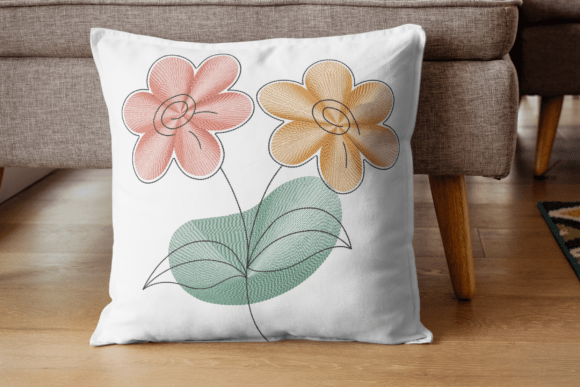
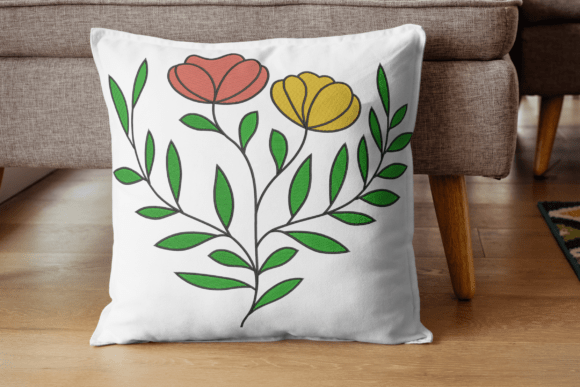
When I sit down to evaluate a new embroidery file for my studio or client work, I am rarely looking for just another pretty picture. I am looking for viability. Does it stitch cleanly? Does it hold up after twenty washes? Does it translate well onto the varied fabrics that small business owners and hobbyists actually have in their closets? Today, I am putting Dual Flower Branch Embroidery Art through its paces. This design features one red and one yellow flower with a lush green leafy stem, described as modern and elegant. But how does that description hold up when the needle is actually moving?
First Impressions and Visual Personality
The moment you load this machine embroidery design, the color blocking tells a story. The contrast between the single red bloom and the single yellow bloom against the green foliage creates an immediate focal point. It is not a chaotic bouquet; it is a curated branch. This simplicity is its greatest strength. In a market saturated with dense, heavy floral clusters, this design offers breathing room.
The mood it creates is fresh yet grounded. It feels appropriate for spring collections but versatile enough for year-round use because of the strong primary-adjacent colors. The "modern" aspect comes from the likely clean lines of the stems, while the "elegance" comes from the balanced asymmetry of having two distinct flowers rather than a uniform cluster. For an Etsy seller or craft business owner, this visual balance is crucial. It looks intentional, which builds trust with the buyer who is paying for handmade quality.
Real-World Application: The Tote Bag Test
Let’s talk about where this design shines. I recently considered using Dual Flower Branch Embroidery Art for a custom order of canvas tote bags for a local artisan market. Canvas is a challenging fabric; it can be thick, and the weave can distort delicate stitches. However, because this design relies on bold shapes—the solid red and yellow petals and the sweeping green leaves—it translates beautifully onto textured surfaces.
Imagine placing this on the front panel of a natural-colored canvas bag. The red and yellow pop against the neutral background without needing excessive thread density. It becomes a statement piece rather than a background texture. This makes it an excellent choice for tote bag design projects where the goal is to add character without overwhelming the utility of the item. Customers often look for these items as everyday carry pieces, so a design that is visually striking but not overly fussy performs best.
I also envision this working exceptionally well on sweatshirt embroidery projects. A cream or heather grey fleece sweatshirt paired with this branch design creates a cozy, boutique aesthetic. The lush green leaves provide a nice textural counterpoint to the softness of the knit fabric. It elevates a basic garment into a personalized gift that feels expensive and thoughtful.
Apparel and Home Decor Versatility
Beyond bags and tops, this embroidery project has strong potential in home decor. Picture it on a linen tea towel or a cotton pillow cover. The vertical nature of the branch allows it to fit neatly into standard hoop sizes without feeling cramped. For nursery decor, the playful combination of red and yellow can work if balanced with softer neutrals in the surrounding room, though designers should consider if the red is too intense for a baby’s space. Alternatively, it works wonderfully for kitchen towel designs or holiday-themed merchandise, especially if the red is interpreted as a festive accent.
For commercial embroidery clients, this design offers high perceived value. It looks like a finished product that requires minimal additional embellishment. You don’t need to add extra rhinestones or patches to make it look complete; the design stands on its own. This efficiency is vital for small shop product lines where turnaround time matters.
Where Caution Is Required
No design is perfect for every surface, and as a reviewer, I must highlight where Dual Flower Branch Embroidery Art might struggle. First, avoid using this on highly textured fabrics like heavy chenille or loose-weave burlap unless you are an experienced stabilizer user. The lush green leaves may lose definition if the fabric absorbs the stitches too much.
Second, be careful with thin or stretchy fabrics. If you attempt to embroider this on a lightweight jersey or sheer silk without proper backing, the tension required for the fill stitch areas in the leaves could cause puckering. Always use a cut-away stabilizer for knits to prevent distortion over time.
Another area of caution is small hoop sizes. While the design is elegant, compressing it too much can blur the distinction between the red and yellow flowers. If you are designing for embroidered patch applications or cap fronts, ensure the final stitched size retains enough clarity for the details to remain visible. Tiny lettering placed near the detailed corners of the leaves will become illegible, so leave adequate negative space.
Technical Considerations for Stitch Clarity
When evaluating the technical side, pay close attention to the stitch density. The transition from the satin stitch outlines (if present) to the fill stitches needs to be smooth. On dark fabrics, the red and yellow threads must have sufficient opacity to stand out. If the base fabric is black, the colors will appear vibrant, but you may need to adjust the underlay stitches to prevent the dark fabric from showing through the lighter yellow petals.
Also, consider the washing durability. For items that will undergo frequent laundering, such as custom apparel or baby clothes, the structural integrity of the branch is key. Ensure the connection points between the leaves and the stem are reinforced. If the design uses long floating stitches, they may snag during washing. Test the design thoroughly before committing to a large production run.
Practical Designer Notes Before You Stitch
Before you add this to your library of design assets, follow these practical steps:
- Test on Scrap Fabric: Always run a test stitch-out on the exact fabric type you plan to sell or use. This reveals issues with tension and stability that digital previews cannot show.
- Check Thread Contrast: View the design in black and white mockups to ensure the red, yellow, and green values are distinct enough to maintain visual interest.
- Confirm Hoop Size: Verify that the bounding box of the Dual Flower Branch Embroidery Art fits comfortably within your machine’s largest hoop, allowing for margin adjustments.
- Inspect Small Details: Zoom in on the digital preview. Are the leaf veins clear? Will they stitch out cleanly, or do they risk merging together?
- Review Licensing: If you are an Etsy seller or digital product seller, double-check the license terms. Some designs allow commercial use of the finished product but prohibit reselling the digital file itself.
- Select Proper Stabilizer: Match your stabilizer to the fabric weight. Heavy tear-away for wovens, stable cut-away for knits.
Final Verdict on Visual Appeal and Brand Consistency
Ultimately, Dual Flower Branch Embroidery Art succeeds because it balances personality with professionalism. It does not try to be everything to everyone; instead, it offers a specific, attractive aesthetic that resonates with buyers looking for unique, handcrafted items. The use of contrasting flower colors adds a dynamic element that catches the eye, while the unified branch structure keeps the design cohesive.
For creative entrepreneurs and makers, this design is a reliable asset. It enhances the perceived value of a handmade product without requiring complex setup or exotic materials. Whether you are creating a batch of holiday gifts, updating your boutique branding, or launching a new line of apparel decorators items, this design provides a solid foundation for success. It is modern, elegant, and, most importantly, practical for real-world stitching.
If you are looking to expand your range of Single Flowers category items, this dual-branch approach offers a refreshing twist on traditional single-bloom motifs. It encourages creativity in placement—off-center, diagonal, or clustered—and allows for greater versatility in your finished product offerings. Just remember to respect the fabric limitations and prioritize quality control in your stitching process. When executed correctly, Dual Flower Branch Embroidery Art delivers a result that customers will appreciate and cherish.