Tennis Player Serving Silhouette Embroidery Design
As an embroidery designer who spends weekends hunched over a hoop at craft fairs, I know that the difference between a design that sits on the shelf and one that gets snatched up in minutes often comes down to clarity, contrast, and immediate visual impact. When I first reviewed the Tennis Player Serving Silhouette Embroidery Design, my initial reaction was one of professional curiosity. It is not a cute, cartoonish character, nor is it a delicate floral arrangement. Instead, it is a bold, graphic statement piece. This review breaks down exactly how this machine embroidery design performs in the real world of handmade commerce, from the fabric sample to the final sale.
First Impressions: Bold Graphics Meet Sports Aesthetics
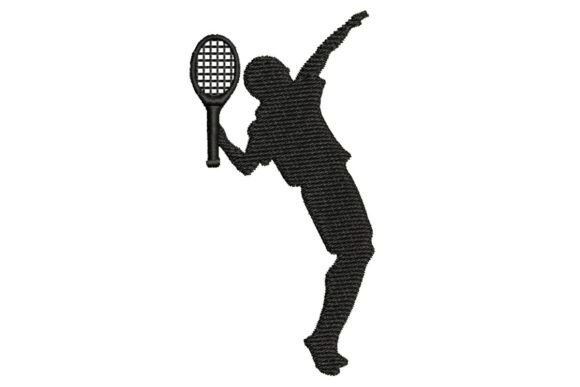
The description notes that the entire figure—including the player’s body and racket—is rendered in solid black with a distinct silhouette style. For a booth display, this is a massive advantage. In a sea of busy patterns and pastel colors, a high-contrast, solid black shape stops traffic. It feels modern, minimal, and premium. It does not rely on intricate facial features or tiny details that might get lost in production; instead, it relies on the powerful pose of the serve. This makes it highly versatile for various Sports themed collections without feeling dated.
When evaluating this as a potential craft fair product, the silhouette approach ensures that the design reads correctly even from three feet away. Customers do not need to squint to understand what they are looking at. The dynamic action of the serve suggests energy and movement, which translates well into apparel and accessories that people want to wear or use actively.
Product Applications: Where This Design Shines
Not every embroidery file works on every item. Here is where the Tennis Player Serving Silhouette Embroidery Design truly excels in a handmade shop context:
- Tote Bag Design: This is perhaps the strongest application. A large tote bag provides ample flat canvas space. Placing this silhouette centered on a natural cotton or denim tote creates an instant street-style look. It serves as both a functional item and a fashion statement, perfect for the Etsy seller targeting students or gym-goers.
- Apron Embroidery: For the tennis enthusiast who also loves to cook, this design on a kitchen apron hits a sweet spot of humor and hobby expression. The solid black thread stands out beautifully against white or light-colored apron fabrics, making it a great gift item.
- Tea Towel Embroidery: Similar to aprons, tea towels benefit from the simplicity of the silhouette. Because the design is graphic rather than detailed, it remains legible even on the textured surface of linen or cotton dishcloths, provided the stitch density is appropriate.
- Embroidered Patch: Converting this design into a patch allows for immense versatility. You can sew these patches onto backpacks, jeans, or baseball caps. The clean edges of a silhouette make for easier trimming and finishing compared to complex multi-color designs.
- Caps and Visors: A smaller version of this design works exceptionally well on the front panel of a structured cap. The curved surface of a hat can distort fine details, but a bold silhouette holds its shape and impact perfectly.
Production Practicality and Batch Efficiency
For the small shop product owner, time is money. One of the biggest advantages of this specific design is its efficiency. Because it is rendered in solid black, you likely only need one spool of thread per run. This reduces changeover time significantly compared to multi-color designs that require frequent thread cuts and color changes.
This efficiency makes it ideal for batch production. If you are preparing for a weekend market, you can set up your machine once and produce ten, twenty, or fifty units rapidly. The lack of tiny details means there is less risk of thread breaks or tension issues caused by overly dense stitching in small areas. However, you must still monitor the stitch density. While the area is solid, ensure the fill stitches are balanced so the fabric does not pucker excessively, especially on lightweight materials like jersey knits used for t-shirts.
Photography and Online Presentation
In the digital realm, your printable mockup needs to convey the same boldness as the physical product. Because the design is monochromatic (solid black), it photographs cleanly against almost any background. When creating listings for your online store, show the design on varied textures—denim, smooth cotton, and woven basket-weave—to demonstrate its adaptability. Use close-up shots to highlight the clean edges of the silhouette, proving the quality of the digitizing. This builds trust with buyers who are wary of low-quality digital embroidery files.
Careful Use Notes for the Designer
Even simple designs require careful execution. Before committing to full production runs, consider these critical checks:
- Fabric Texture Compatibility: Test the design on the actual fabric you plan to sell. On heavily textured towels or nubby linens, very fine details might disappear. While a silhouette is robust, ensure the racket strings or hand positions are thick enough to remain visible.
- Hoop Size Constraints: Confirm the hoop size required for the design dimensions you intend to use. If you are scaling the design down too much for small pouches, the proportions of the player may become distorted or lose their dynamic feel.
- Thread Contrast: While black is classic, test how it looks on dark fabrics. Black-on-black embroidery can sometimes look muddy unless the fabric has a sheen or texture that catches the light differently than the thread. Consider using charcoal or navy on dark backgrounds if pure black lacks definition.
- Stabilizer Selection: Always use the right stabilizer for your fabric weight. A heavy cut-away stabilizer is usually best for this type of dense fill design to prevent shifting during the long stitching process.
Final Verdict for Commercial Embroidery
The Tennis Player Serving Silhouette Embroidery Design is a smart addition to any commercial embroidery library. It avoids the pitfalls of overly trendy graphics while tapping into the evergreen popularity of sports and active lifestyles. Its strength lies in its simplicity and boldness, making it easy to produce, easy to photograph, and easy for customers to appreciate instantly.
Whether you are creating a handmade product line for a local boutique or expanding your catalog for global shipping, this design offers high perceived value with manageable production costs. Just remember to always check the specific technical details—such as exact stitch counts and licensing terms—before finalizing your supply chain. By testing on scrap fabric and confirming your design assets are ready for print, you ensure that your finished product reflects the professional quality your brand promises.