Happy Halloween Embroidery PNG Review
As a designer who spends more time staring at stitch density charts and fabric swatches than sleeping, I approach every new digital asset with a healthy dose of skepticism. The market is flooded with clip art that looks great on a screen but falls apart under the needle. When I pulled up the Happy Halloween Embroidery PNG, my first instinct was to zoom in until the pixels blurred, looking for the kind of detail that holds up in real-world application. This isn't just about how festive it looks; it’s about whether it translates into a professional-grade handmade product that customers will actually want to wear or display.
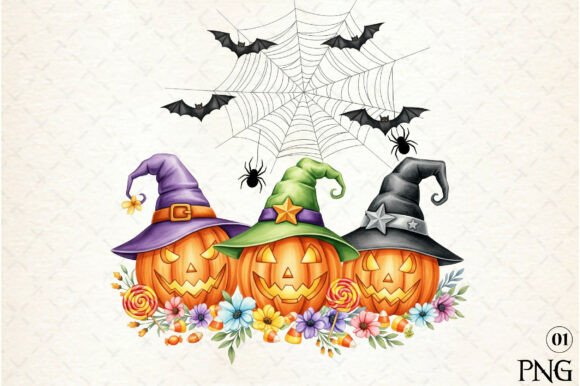
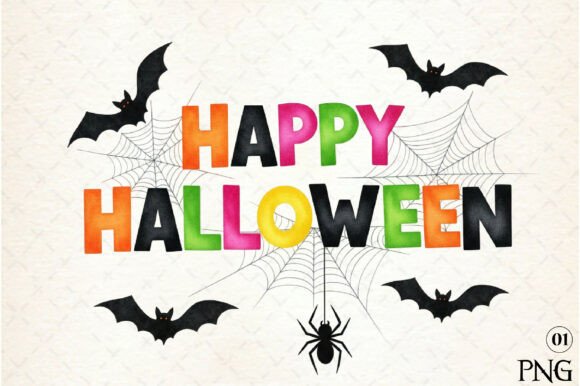
The package arrives as a high-resolution PNG file, which is standard for modern graphics intended for print-on-demand or direct-to-film transfers before embroidery, but for those of us working directly with digitized files, the clarity of the source image matters immensely. At 300 DPI and a generous 12×12 inches, this design offers plenty of room for manipulation. Whether you are planning a large chest logo on a hoodie or a centered motif on a tote bag, the resolution ensures that no jagged edges will betray the quality of your work when you scale it down for smaller hoop sizes.
First Impressions: Mood and Visual Personality
The immediate vibe of the Happy Halloween Embroidery PNG is one of playful charm rather than spooky horror. In the world of holiday embroidery, there is a distinct line between designs that feel dated and those that feel fresh. This design sits comfortably in the "modern craft" zone. It has a visual personality that appeals to a broad demographic, making it an excellent choice for Etsy sellers targeting families, young adults, or anyone looking for a lighthearted seasonal accessory. The layout feels balanced, suggesting that the underlying vector structure—if converted properly—would likely result in clean satin stitch outlines and efficient fill stitch areas.
For a designer, the "mood" dictates the target audience. A overly aggressive, dark design limits your market to niche horror fans. A cheerful, bright design opens doors to children’s clothing, nursery decor, and general home goods. This particular asset leans heavily into the latter, making it a versatile tool for creating personalized gifts that are safe for all ages. It screams "craft fair bestseller," especially when paired with neutral-colored fabrics like heather grey, cream, or soft pastels.
Real-World Application: From Screen to Stitch
Let’s talk about the actual project. Imagine you are preparing a batch of custom embroidered tote bags for a local autumn festival. You need something that pops against canvas but doesn’t require hours of tedious stitching. The tote bag design potential here is strong. Because the PNG provides a transparent background, you can easily isolate the main elements and test them against various fabric textures in your mockup software before committing to thread spools.
I envision this design thriving on sweatshirts and hoodies. The 12×12 inch source size allows you to create a substantial chest piece that commands attention without overwhelming the garment. However, the true test of any machine embroidery design is its performance on textured surfaces. If you plan to use this on a fleece-lined jacket or a heavy denim cap, you need to ensure the stitch density is appropriate. Dense fills on thick fabrics can cause puckering if not stabilized correctly. For these applications, I recommend using a cut-away stabilizer to maintain the integrity of the design over time, ensuring your finished product remains flat and crisp after washing.
Beyond apparel, this design fits seamlessly into the realm of embroidered patches. Many small business owners use PNGs as references for creating iron-on patches for jackets or backpacks. The clear separation of elements in the Happy Halloween Embroidery PNG suggests that converting this into a patch format would be straightforward, allowing for clean edge finishes and durable construction. It also works beautifully for kitchen towels and aprons, adding a touch of seasonal whimsy to the home. These items are popular as giftability focused products during the Q4 holiday rush, and having a design that is both recognizable and aesthetically pleasing is key to driving sales.
Where to Exercise Caution
No design is universally perfect, and as an experienced reviewer, I must highlight where this asset might present challenges. The most critical area to watch is small hoop sizes. While the source file is large, scaling it down too far can compromise legibility. If you attempt to stitch this on a baby onesie or a tiny wrist cuff, fine details may merge together, resulting in a muddy appearance. Always inspect small details by viewing your design at 100% scale within your embroidery software before starting the machine.
Fabric choice is equally important. Avoid using this design on highly stretchy fabrics like thin jersey knits without proper stabilization, as the tension from the threads can distort the garment. Similarly, dark fabrics require careful consideration of thread colors. If the design relies on light colors for contrast, you may need a backing layer or a specific colorway adjustment to ensure visibility. Textured fabrics, such as terry cloth or boucle, can hide the nuances of running stitch or intricate details, so test on scrap pieces first to see how the thread interacts with the pile.
Another point of caution is curved surfaces like caps. While possible, embroidering a flat-design PNG onto a curved brim or crown requires advanced hooping techniques. If the design contains sharp corners or tight angles, they may distort on the curve. It is often safer to reserve complex layouts for flat panels or structured hats with ample surface area.
Practical Designer Notes for Success
To get the most out of the Happy Halloween Embroidery PNG, follow these practical steps. First, always test the design on scrap fabric that matches your final project in weight and texture. This reveals how the stabilizer interacts with the material and helps you adjust tension settings. Second, review the design in black and white mode within your software. This grayscale check helps identify areas where the stitch density might be too high or too low, ensuring consistent coverage.
Compare light and dark fabric backgrounds early in the process. A design that looks vibrant on a white background might disappear on a navy blue one if the thread colors aren't chosen wisely. Inspect the small details closely—are there any isolated stitches that might break? Are the corners of any shapes too sharp for the chosen thread type? These micro-decisions separate amateur results from professional outputs.
Furthermore, confirm whether the design works for both personal and commercial projects. If you are an Etsy seller or running a small shop product line, licensing is paramount. Ensure you have the right to sell finished items made from this digital embroidery file. Finally, use proper stabilizers tailored to your fabric type. A water-soluble stabilizer might be needed for delicate fabrics, while a tear-away could suffice for stable cottons. By paying attention to these technical details, you ensure that your custom apparel and design assets meet the high standards your customers expect.
Final Verdict
The Happy Halloween Embroidery PNG is a solid, versatile asset for any designer’s toolkit. Its high resolution and flexible layout make it suitable for a wide range of embroidery projects, from commercial embroidery batches to unique personalized gifts. While it requires careful consideration of fabric types and hoop sizes, its charming aesthetic and professional potential make it a worthwhile addition. For crafters and entrepreneurs looking to capitalize on the Halloween season with high-quality, visually appealing products, this design delivers exactly what is needed: style, clarity, and market-ready appeal.