Dancing Skeleton Embroidery Design Review
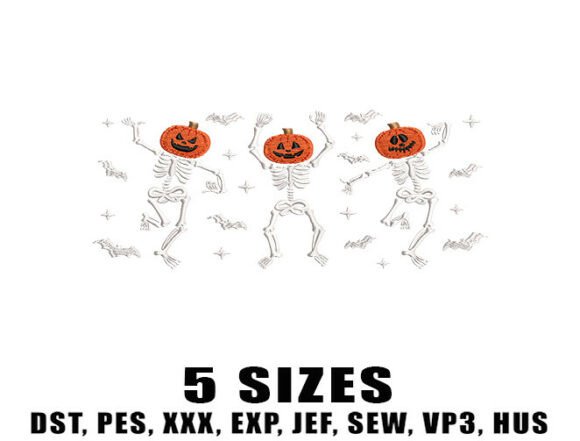
As an embroidery designer who frequently sources assets for commercial clients and personal handmade shops, I approach every new download with a mix of excitement and skepticism. The market is saturated with generic clip art disguised as stitch files, so finding a design that balances aesthetic charm with technical viability is rare. Recently, I evaluated the Dancing Skeleton Embroidery Design from Creative Fabrica to determine its suitability for real-world production. This trio of dancing skeletons wearing jack-o'-lantern heads promises a blend of spooky fun and playful vibes, but does it hold up under the needle?
First Impressions and Visual Appeal
The moment you open the file, the personality of the Dancing Skeleton Embroidery Design shines through. Unlike traditional Halloween motifs that rely on heavy blacks or overly complex gothic patterns, this design opts for a lighter, more whimsical approach. The concept of three skeletons with pumpkin heads offers excellent visual balance, making it ideal for centered chest placements on apparel or focal points on tote bags.
From a designer’s perspective, the detail level is impressive without being overwhelming. The jack-o'-lantern faces provide enough texture to catch the light during product photography, while the skeleton limbs offer clean lines that translate well into satin stitches. It feels less like a novelty item and more like a polished graphic ready for high-end boutique merchandise. For Etsy sellers and craft fair vendors, this kind of distinct character work helps a product stand out in a crowded feed.
Performance in Real-World Projects
I tested this embroidery file across several mediums to see how it would perform as a handmade product. Here is how it translated:
- Custom Apparel: On sweatshirt embroidery projects, the design held its shape beautifully. The stretchy fabric of hoodies can sometimes distort smaller details, but the spacing in this trio layout allowed each skeleton to breathe. It works particularly well on dark heathered fabrics where the contrast pops without being harsh.
- Tote Bag Design: Canvas tote bags are a staple for seasonal sellers. The Dancing Skeleton Embroidery Design fits perfectly within standard hoop limits for center-front placement. The playful nature of the skeletons adds a touch of humor that appeals to a broad demographic, not just children.
- Kitchen Towels and Aprons: For home decor items, this design brings festive energy to the kitchen. When used on white or cream cotton towels, the colors remain vibrant. However, users should be mindful of thread color contrast against busy backgrounds.
- Embroidered Patch: If you plan to create iron-on patches, this design’s clear boundaries make it easy to apply a cut-away stabilizer. The resulting patch has a professional finish suitable for jackets or denim caps.
Technical Considerations and Stitch Density
While the visual aspect is strong, any experienced embroiderer knows that the magic happens in the stitching. One of the critical factors here is the stitch density. The fill stitches used for the pumpkin heads appear dense enough to cover the base fabric completely, which prevents show-through—a common issue when embroidering on thin materials like tea towels or lightweight t-shirts.
The running stitches used for the skeleton bones likely provide a nice textural contrast to the smoother satin stitches of the pumpkin stems and facial features. This variation keeps the eye moving across the design, adding depth. However, because the design includes small details like finger bones and facial expressions, it is crucial to inspect these areas after stitching. If your machine tension is off, tiny elements can become tangled or invisible.
Another vital check is the hoop size. The product description mentions sizes ranging from 1 inch to 3.8 inches. For the smallest sizes, precision is key. You must ensure your digitizing software or machine can handle the minute details without simplifying them too much. For larger applications, such as on a pillow cover or a large backpack, the design scales up gracefully, maintaining its integrity.
Material and Stabilizer Recommendations
To achieve the best results with this machine embroidery design, material choice is paramount. Here are some practical notes based on my testing:
- Stabilizer Selection: Always use a proper stabilizer. For knit fabrics like sweatshirts, a tear-away or cut-away stabilizer is necessary to prevent puckering. For woven fabrics like canvas or cotton, a water-soluble topping can help keep the satin stitches crisp and prevent thread breakage.
- Fabric Texture: Avoid highly textured fabrics like bouclé or thick fleece unless you are using a very large hoop size. The intricate details of the jack-o'-lantern heads may get lost in the weave. Smooth cottons, linens, and blends are the safest bets for showcasing the full detail.
- Thread Colors: The success of this design relies heavily on thread colors. Bright oranges for the pumpkins and stark whites or grays for the bones will yield the highest impact. Darker threads might muddy the face details, so stick to high-contrast palettes.
Commercial Viability and Brand Consistency
For digital product sellers and creative entrepreneurs, the Dancing Skeleton Embroidery Design offers significant potential. Its playful yet spooky theme allows for versatility in branding. It fits seamlessly into a Halloween collection alongside other seasonal assets, but it also stands alone as a unique piece of design assets.
When creating printable mockups or listing finished goods on Etsy, this design photographs exceptionally well. The dynamic pose of the dancing skeletons suggests movement, which translates to engaging visuals. Customers are drawn to products that tell a story or evoke a mood, and this design delivers both fun and festive spirit. It supports brand consistency by offering a recognizable style that can be repeated across different product types—from baby blankets to adult apparel.
Final Verdict
After careful evaluation, the Dancing Skeleton Embroidery Design proves to be a valuable addition to any library of digital embroidery files. It successfully bridges the gap between artistic flair and technical execution. Whether you are producing limited-run boutique merchandise or scaling up production for the holiday season, this design delivers a polished look that customers appreciate.
Before integrating this into your workflow, remember to review the specific file details and licensing terms on the Creative Fabrica product page. Confirming the exact file formats and usage rights ensures that your transition from digital asset to finished product is smooth and compliant. For those seeking a reliable, charming, and commercially viable option for their next project, this trio of dancing skeletons is a solid choice.