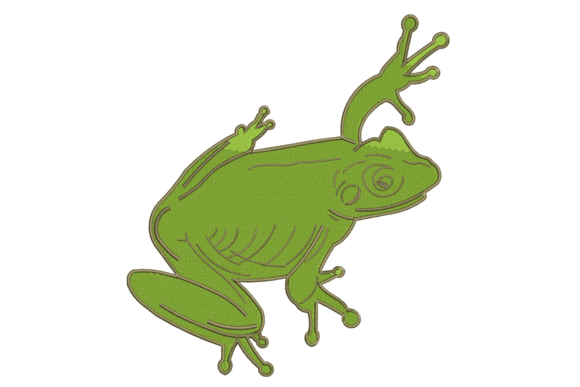
Cute Frog Embroidery Design Review
If you are prepping your booth for the upcoming craft fair season, you know that first impressions are everything. As an embroidery designer who has spent years judging designs not just by their stitch quality but by their shelf appeal, I look at a file and immediately ask: "Will this sell?" Today, we are reviewing the Cute Frog Embroidery Design. With its promise of adding a splash of charm through a playful and whimsical character, this design targets the sweet spot of children’s apparel and nursery decor. But does it hold up under the harsh fluorescent lights of a convention center? Let’s dive into the practical realities of turning this digital asset into a craft fair product.
First Impressions and Visual Appeal
The moment you load the embroidery file, the Cute Frog Embroidery Design strikes me as inherently soft and inviting. It leans heavily into the "whimsical" category rather than the rustic or farmhouse aesthetic. This is crucial because it dictates your fabric choices. A bold, jagged frog might work on a denim jacket, but this design demands a gentle touch. It feels premium when stitched on light, pastel fabrics, creating an immediate emotional connection with parents and gift buyers.
In terms of brand consistency, this design screams "boutique maker." It is not generic clip art; it has personality. When customers walk past your table, they are drawn to items that evoke a smile. This frog is designed to be adorable, which translates directly to higher engagement rates. It stands out against more traditional floral or geometric patterns, offering a unique selling proposition for any small shop product line.
Product Versatility and Market Fit
One of the biggest challenges for Etsy sellers and market vendors is finding a single design that works across multiple SKUs without looking forced. The Cute Frog Embroidery Design excels here. Its playful nature makes it incredibly versatile. Here is how it performs on key handmade product categories:
- Tote Bags and Market Bags: A small-to-medium placement on a canvas tote bag creates an instant tote bag design favorite. It adds a pop of color without overwhelming the utility of the bag. It photographs beautifully for online listings, showing off the texture of the thread against the weave of the canvas.
- Apron Embroidery: Placed near the pocket or chest area, this design elevates a plain apron into a chef’s gift. It appeals to families who cook together, positioning the item as both functional and decorative.
- Tea Towel Embroidery: Kitchen textiles are high-margin impulse buys. The whimsical frog brings a sense of fun to the kitchen, making it a perfect gift for housewarmings or baby showers.
- Embroidered Patch: If the design allows for a clean edge, it can be produced as a standalone patch. Patches are excellent for upselling—allowing customers to add them to backpacks, hats, or jackets themselves.
- Caps and Baby Items: On structured caps, the design must be scaled carefully. On baby onesies or burp cloths, the softness of the frog aligns perfectly with the target demographic’s desire for comfort and cuteness.
This versatility means you can create a cohesive booth display using the same design assets across different price points, from $5 patches to $30 aprons.
Production Practicality and Technical Considerations
As a professional, I do not guess; I test. Before committing to bulk production for a weekend market, you must evaluate the technical aspects of the machine embroidery design. The description highlights a "playful" nature, which often implies curves and potentially varied stitch directions. However, you need to verify specific technical details that were not included in the initial product summary.
Stitch Density and Clarity: Whimsical designs can sometimes suffer from overly dense stitch areas, especially around the eyes or mouth of the character. If the density is too high, the fabric may pucker, ruining the clean look required for a finished product. Conversely, if the details are too tiny, the frog will lose its charm when embroidered on textured towels or thick cap materials. Always inspect the stitch density closely. If there are tiny lettering elements or fine lines, ensure they remain legible at your intended production size.
Hoop Size and Fabric Texture: Confirm the recommended hoop size before starting. A design that requires a large hoop limits your product options (e.g., you cannot fit it on a standard baseball cap front panel). Additionally, consider the fabric texture. Embroidering this design on a highly textured tea towel might cause the stitches to bridge gaps, losing definition. Smooth cottons or blends will yield the best results.
Thread Colors and Contrast: The visual impact relies heavily on thread choice. To maintain the "splash of charm," ensure high contrast between the frog and the background fabric. Dark fabrics can swallow up subtle shading, so test your thread colors on scrap fabric that matches your final product. A bright green frog on a navy blue bag will pop, whereas a dark olive frog on brown canvas may look muddy.
Sales Strategy and Booth Display
When setting up your booth, the Cute Frog Embroidery Design serves as a strong focal point. Use it to create a "gift set" display. Pair a matching tea towel and apron, or offer a tote bag with a coordinating pouch. This encourages larger basket sizes.
For digital sellers and those creating printable mockups, this design is highly marketable. It fits seamlessly into lifestyle imagery featuring nurseries, kitchens, and outdoor picnics. The whimsical theme resonates with current trends in children’s room decor, making it easy to target specific keywords in your Etsy seller listings.
However, remember that repetition can kill sales. While the design is repeatable for batch production, vary the color palettes. Offer a spring palette with pastels, a summer palette with brights, and perhaps a neutral autumn version. This keeps your inventory fresh and appealing throughout the year.
Essential Pre-Production Checklist
To ensure your commercial embroidery venture is successful, follow these critical steps before you start stitching hundreds of units:
- Test on Scrap Fabric: Never assume the design will run perfectly. Stitch it out on the exact fabric you plan to use for products.
- Check Stabilizer Compatibility: Use the right stabilizer for your fabric weight. Hoop stability is key to preventing distortion, especially on curved surfaces like caps.
- Create Real Mockups: Produce at least one real sample of each product type. Take photos in natural light to see how the embroidered patch or design actually looks to the naked eye.
- Confirm Licensing: Verify commercial licensing terms. Ensure you have the right to sell finished goods made from this digital embroidery file.
- Review Spacing: Check the spacing of elements. Isolated frogs may look lonely on large bags; consider if a clustered arrangement or added text would enhance the composition.
In conclusion, the Cute Frog Embroidery Design is a strong contender for the Reptiles and Embroidery categories, specifically tailored for the handmade market. It balances cuteness with professionalism, making it suitable for a wide range of craft fair products. By paying attention to stitch density, fabric choice, and strategic display, you can transform this simple design into a best-selling item that captures the attention of buyers and fills your booth with happy customers.