Blooming Arkansas Heritage Embroidery Review
As an embroidery designer who spends weekends hunched over a sewing machine and weekdays planning booth layouts for craft fairs, I have learned that not all digital files are created equal. When I first pulled up Blooming Arkansas Heritage Embroidery, my immediate reaction was one of cautious optimism. The title promises a blend of natural charm and cultural pride, specifically targeting the "Natural State." For sellers looking to tap into regional pride or gift markets, this angle is potent. But does the design actually perform on the table? Does it translate well from screen to fabric? After analyzing the product description and visualizing its application across various handmade goods, here is my professional review.
First Impressions: Visual Appeal and Market Fit
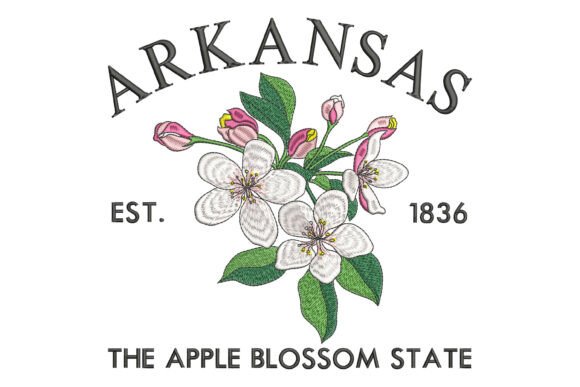
The description highlights vibrant floral motifs inspired by native blooms. In the world of machine embroidery design, "vibrant" can be a double-edged sword. It suggests high contrast and eye-catching color palettes, which is excellent for grabbing attention in a crowded market aisle. However, it also raises concerns about stitch density and potential muddiness if the thread colors clash with the base fabric.
This design feels less like a minimalist accent and more like a statement piece. It leans towards a rustic yet elegant aesthetic, perfect for customers who appreciate farmhouse decor or want to showcase their state pride without being overly loud. For an Etsy seller or a boutique maker, this fits squarely into the "giftable handmade items" category. It has the emotional resonance required to drive impulse buys at a weekend craft fair.
Product Application: Where Blooming Arkansas Heritage Embroidery Shines
To determine the best ROI for this file, we need to look at where it performs best physically. Not every embroidery file works on every surface. Here is how I envision Blooming Arkansas Heritage Embroidery translating to specific products:
- Tote Bags and Market Bags: This is likely the strongest use case. A canvas tote provides a large, flat surface area that allows the floral motifs to breathe. The sturdy fabric supports the weight of the stitches without puckering. A tote bag design featuring this pattern serves as a walking billboard for your brand, appealing to shoppers who value sustainability and local aesthetics.
- Kitchen Towels and Aprons: Apron embroidery and tea towel embroidery are staples at craft fairs. If the design is balanced, it will look charming centered on a white or cream linen apron. The floral theme aligns perfectly with kitchen aesthetics. However, ensure the design isn’t too wide; you want it to sit comfortably below the chest pocket area or centered on the towel hem.
- Caps and Hats: Curved surfaces are tricky. If Blooming Arkansas Heritage Embroidery includes small lettering or intricate details near the edges, it may distort on a curved cap front. Use this design for structured caps where the hoop stabilizes the curve, or keep it centered. An embroidered patch version might be safer if the hat fabric is stretchy.
- Pillow Covers and Pouches: For home decor, this design adds a premium touch. On pillow covers, it elevates the perceived value of the item. For small pouches, it works best if the design is scaled down appropriately, acting as a focal point rather than a background texture.
Production Practicality and Technical Considerations
Before committing to batch production, any savvy commercial embroidery entrepreneur must address the technical realities of the file. The description mentions "exquisite" details, which often translates to higher stitch counts or smaller elements. Here is what you need to watch out for:
- Stitch Density: Check the stitch density carefully. Floral designs can sometimes become too dense, leading to stiff fabric that feels cheap to the touch. You want the flowers to feel soft and integrated, not like a plastic patch glued onto the material.
- Thread Contrast: Vibrant motifs require careful thread selection. If the background fabric is dark, ensure the thread colors pop. Conversely, light threads on light fabric will disappear. Always test thread colors against your actual inventory stock.
- Hoop Size Constraints: Confirm the hoop size required. If the design exceeds standard 5x7 or 6x10 hoops, you will need multi-hooping capabilities, which increases production time significantly. For a busy craft fair prep schedule, single-hoop designs are far more efficient.
- Stabilizer Choice: The choice of stabilizer is critical. For delicate fabrics like tea towels, a cut-away stabilizer prevents distortion. For heavier canvas totes, a tear-away might suffice, but test first to avoid perforation marks visible on the finished product.
Photography and Online Presentation
In today’s market, your physical product must also look good in a printable mockup. Blooming Arkansas Heritage Embroidery has strong visual appeal, which helps in photography. The vibrant florals will photograph well against neutral backgrounds, making your listings stand out on social media. Ensure your lighting captures the texture of the thread. Flat-lay photos showing the detail of the stitching can convince buyers of the handmade quality and justify a higher price point.
Selling Strategy: From Booth to Buyer
When setting up your booth display, placement matters. Place the items embroidered with this design at eye level. Because the design is culturally themed ("Arkansas Heritage"), it appeals to locals and tourists alike. Position it near other Southern or nature-themed items to create a cohesive vignette. This encourages cross-shopping.
For online listings, emphasize the story. The "Natural State" branding is a powerful hook. Use keywords like small shop product, digital embroidery file (if selling the file itself), and design assets to capture search traffic. Highlight that each item is a unique finished product made with care.
Final Verdict and Designer Notes
Blooming Arkansas Heritage Embroidery appears to be a strong contender for craft fair success, particularly for sellers focusing on home decor, apparel, and gift items. Its strength lies in its thematic relevance and visual vibrancy. However, success depends entirely on execution.
Crucial Next Steps Before Production:
- Test on Scrap Fabric: Never run a full production batch without testing on scrap pieces of your actual target fabrics.
- Check Licensing: Confirm commercial licensing terms before selling finished goods. Some embroidery files restrict resale.
- Create Mockups: Generate at least one real-world mockup to check spacing and scale.
- Inspect Details: Zoom in on the digital file. Are there tiny details that might get lost in the stitching process? If so, consider simplifying or scaling up.
If you verify these technical points, Blooming Arkansas Heritage Embroidery has the potential to become a bestseller in your booth. It combines aesthetic beauty with marketable sentiment, making it a smart investment for any serious handmade business owner.